Karma Yoga or selfless service , Also known as the yoga of action, Karma Yoga is the core of the entire Sivananda organization. Simply put, it is the path of yoga where one serves with no expectations of reward. Duties are performed with the feeling that one is serving God through humanity. Karma Yoga is meant to purify the ego.The Four Paths of Yoga provide a complete approach to personal and spiritual growth. Rooted in the classical teachings of Swami Sivananda, Karma Yoga, Bhakti Yoga, Raja Yoga and Jnana Yoga each cultivate different aspects of human nature, guiding practitioners towards inner harmony, self-realisation and lasting peace.

Karma Yoga
Karma Yoga or selfless service , Also known as the yoga of action, Karma Yoga is the core of the entire Sivananda organization. Simply put, it is the path of yoga where one serves with no expectations of reward. Duties are performed with the feeling that one is serving God through humanity. Karma Yoga is meant to purify the ego.
Bakti Yoga
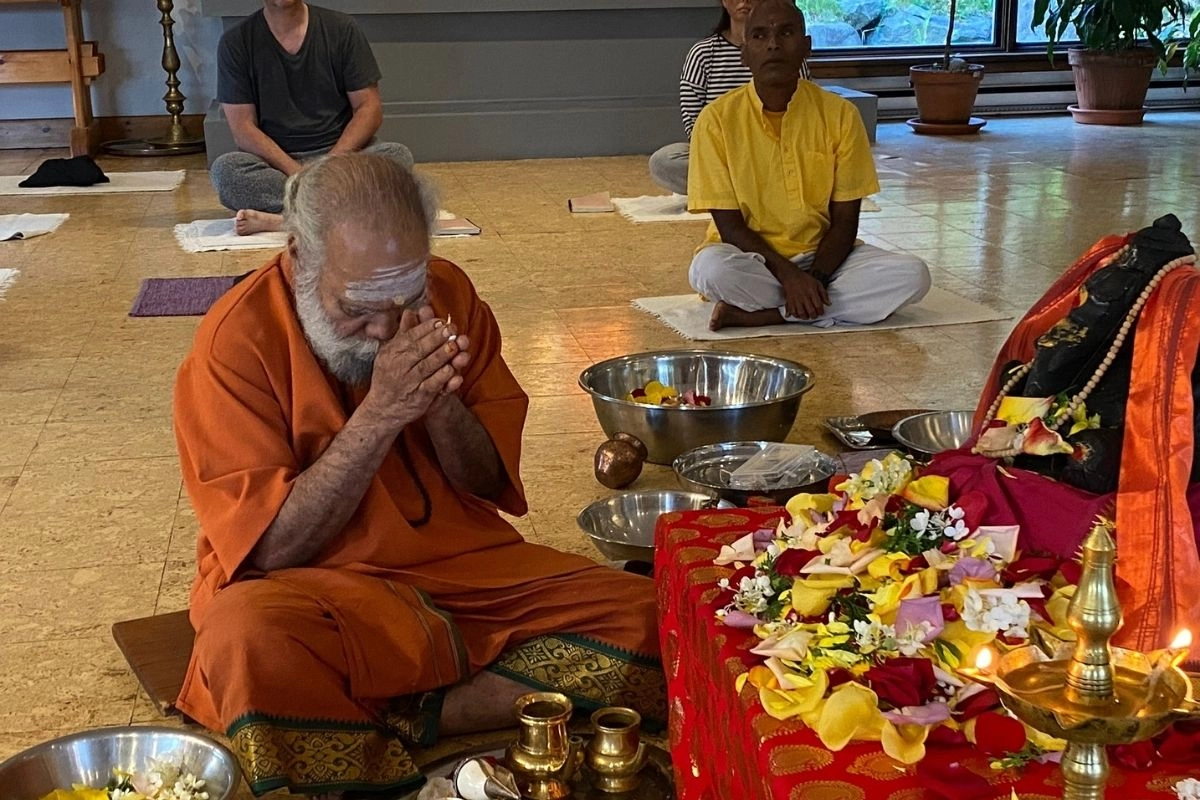
Bhakti Yoga or the yoga of devotion, In Swami Sivananda’s words, Bhakti Yoga is the easiest and surest way to attain God-Realization in this present age. Through prayers, chants and worship, one turns his/her emotions into devotion, developing an unconditional determination to see God in all of creation.
Raja Yoga
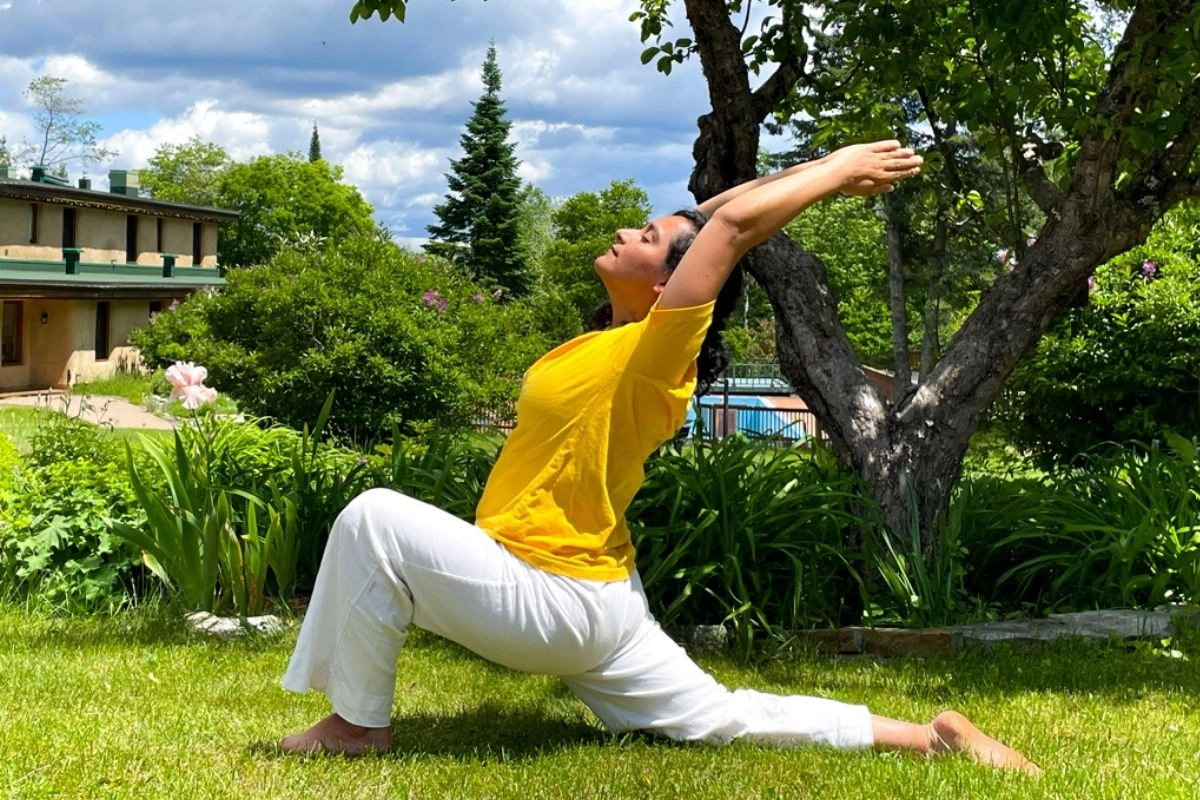
Raja Yoga, deals with the control of the mind through the study and understanding of its workings. A set of practices is prescribed to discipline and control the components of the human being: body, prana (vital energy) and mind. With the tools provided by these practices, one develops will power and clarity of mind.
Jnana Yoga
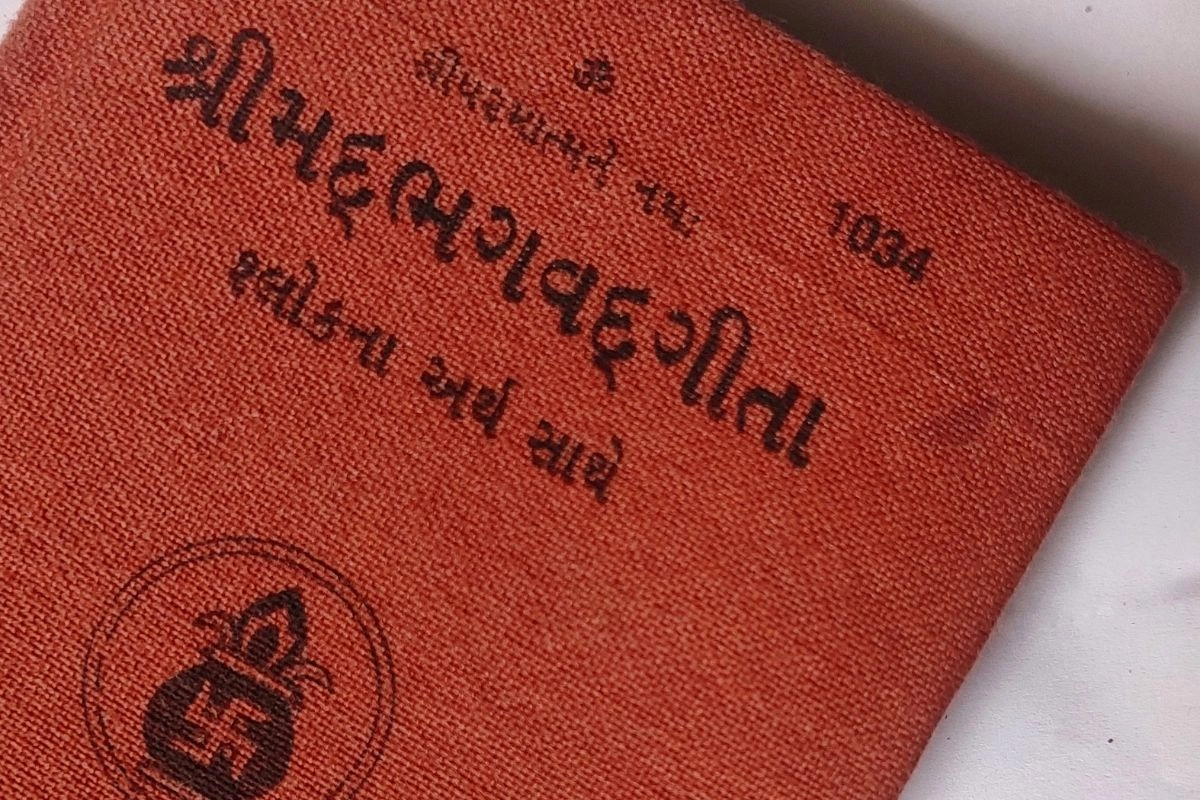
Jnana Yoga or the yoga of knowledge, This is the intellectual approach of Yoga in which through the practice of Vedanta and a deep philosophical enquiry, one investigates the nature of the Self. This path is said to be the most difficult one, and the aspirant needs some previous qualifications as well as great willpower and courage to face the Truth.
Frequently Asked Questions
Learn more about the Four Paths of Yoga with answers to common questions about Karma Yoga, Bhakti Yoga, Raja Yoga, Jnana Yoga and how these timeless teachings can be applied in everyday life.