Asana practice is one of the eight limbs of classical Yoga, which states that poses should be steady and comfortable, firm yet relaxed, helping a practitioner to become more aware of their body, mind, and environment.

The 12 basic poses or asanas are much more than just stretching. They open the energy channels, chakras and psychic centers of the body while increasing flexibility of the spine, strengthening bones and stimulating the circulatory and immune systems. Along with proper breathing or pranayama, asanas also calm the mind and reduce stress. With regular practice one can ensure overall physical and mental health and the possible prevention of diseases such as diabetes, hypertension and arthritis. In time, performing the poses slowly and consciously becomes a mental exercise in concentration and meditation.
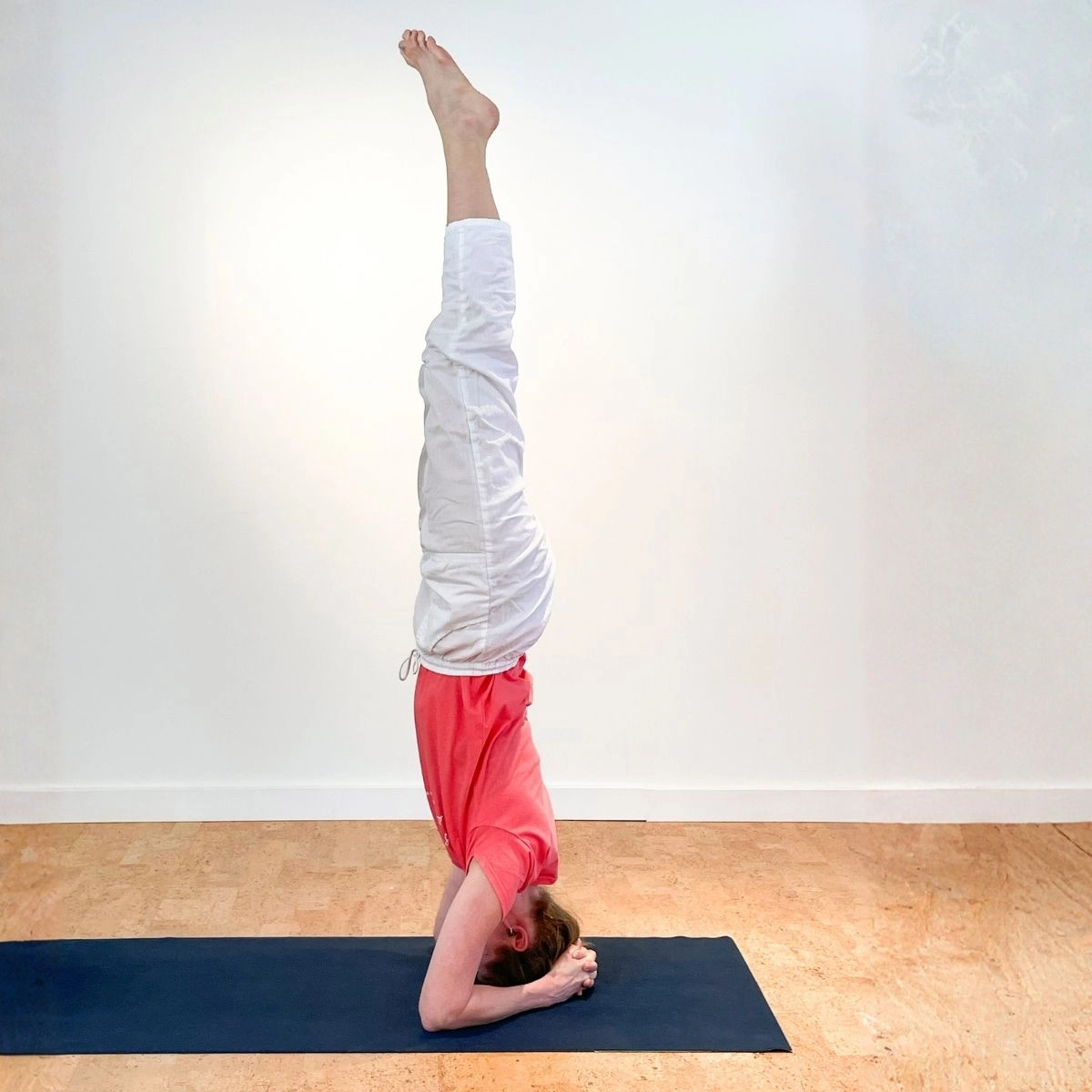
Headstand (Sirshasana), the first of the 12 basic asanas in Sivananda yoga

Headstand
(Sirshasana)

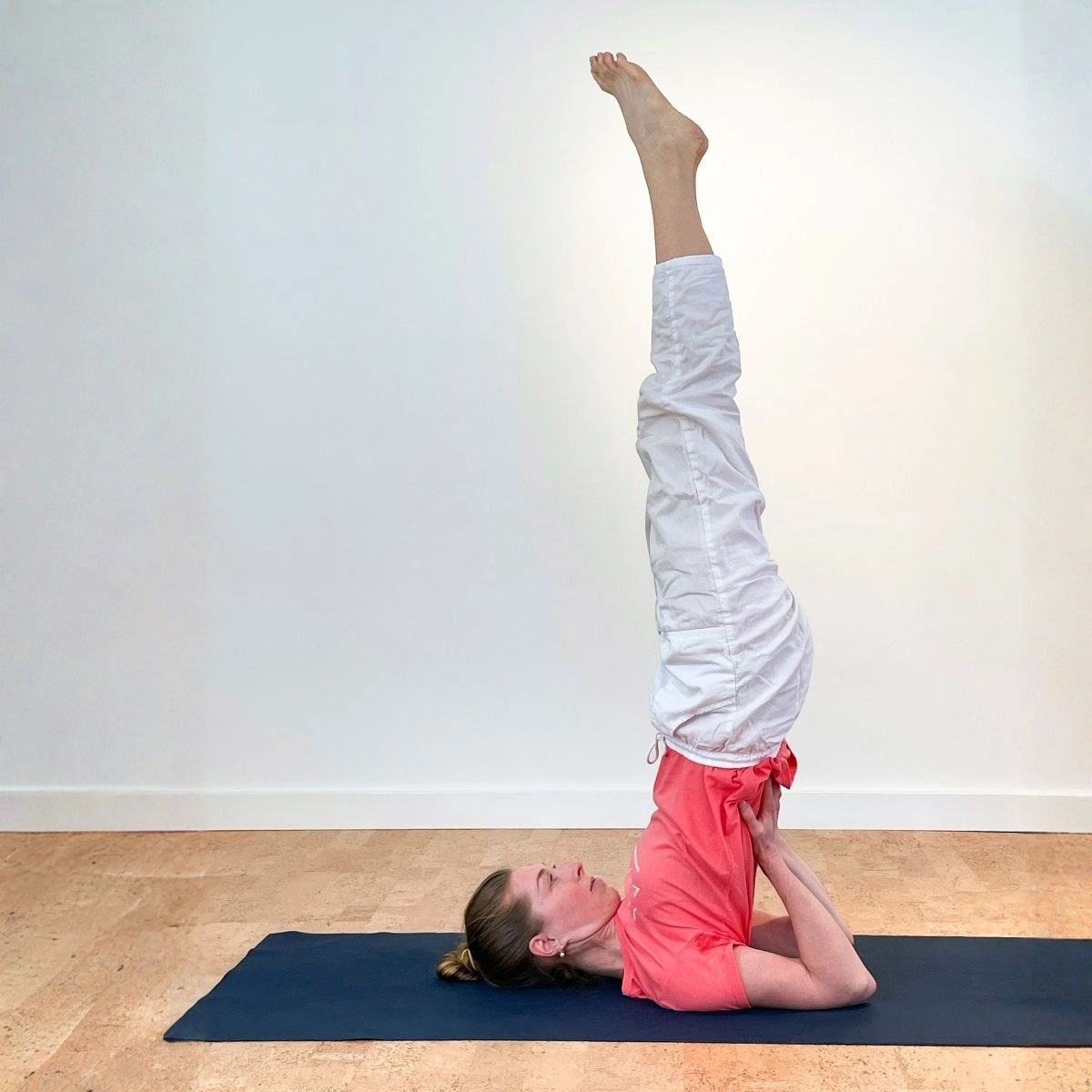
Shoulderstand (Sarvangasana), the second of the 12 basic asanas

Shoulderstand
(Sarvangasana)

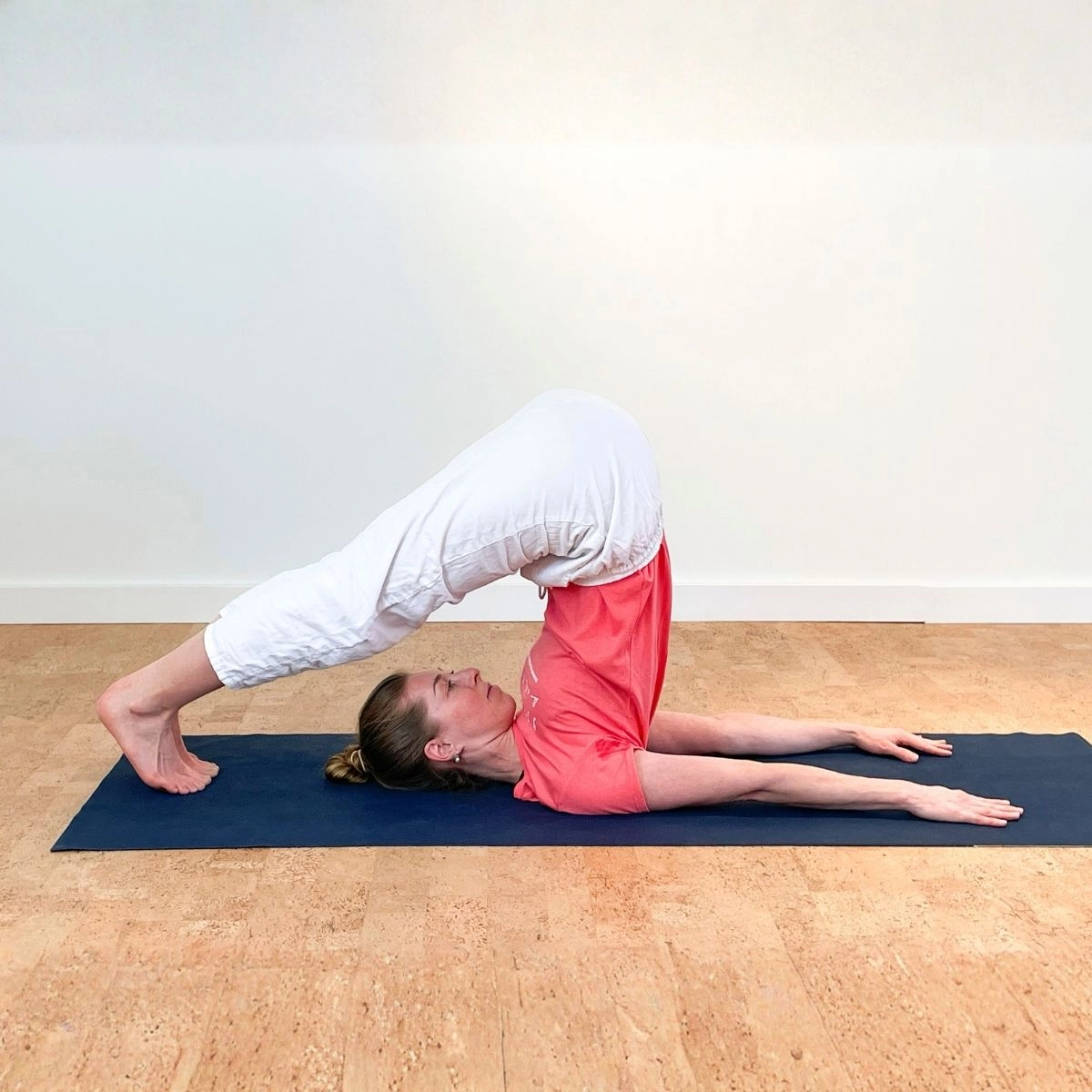
Plough pose (Halasana), the third of the 12 basic asanas

Plough
(Halasana)

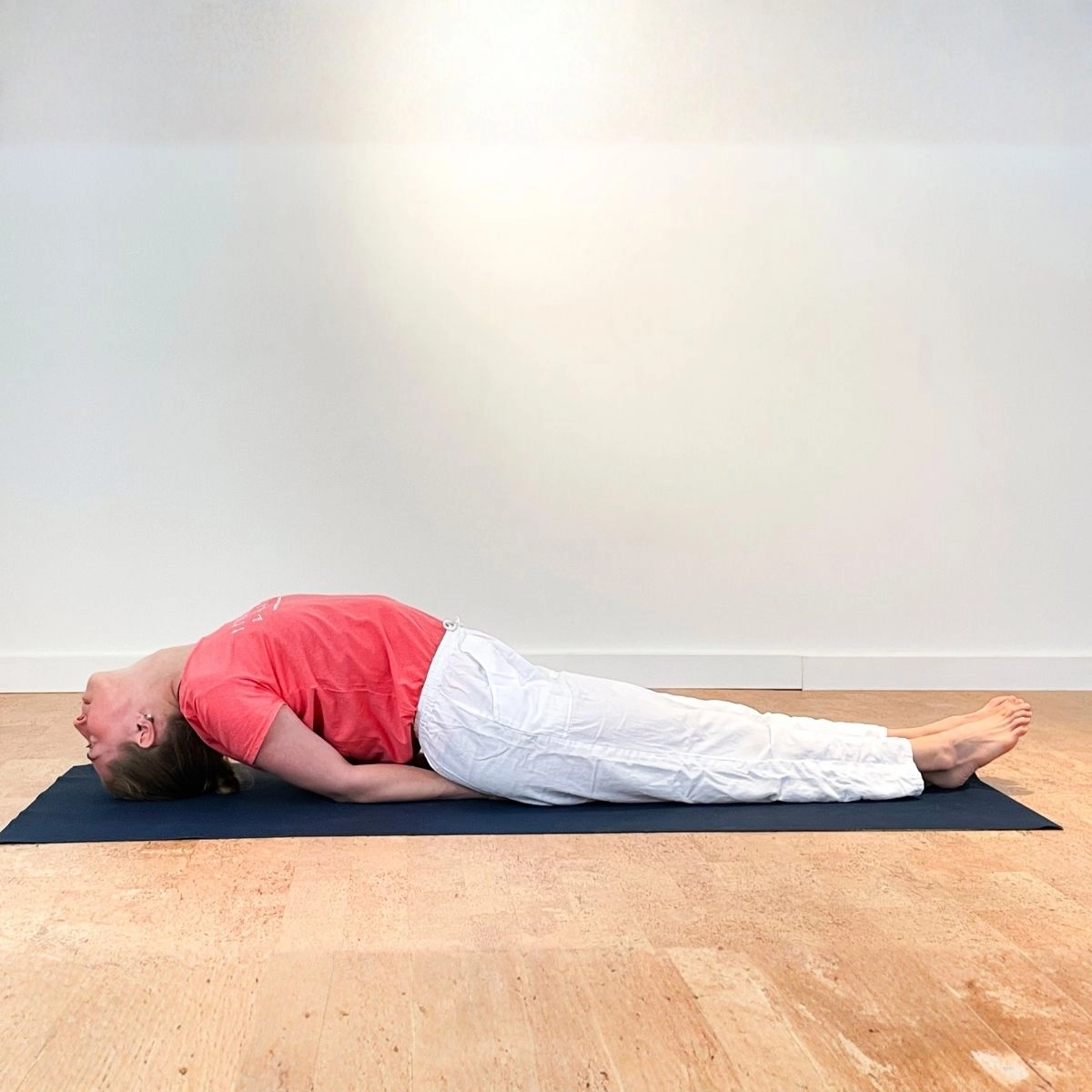
Fish pose (Matsyasana), the fourth of the 12 basic asanas

Fish
(Matsyasana)

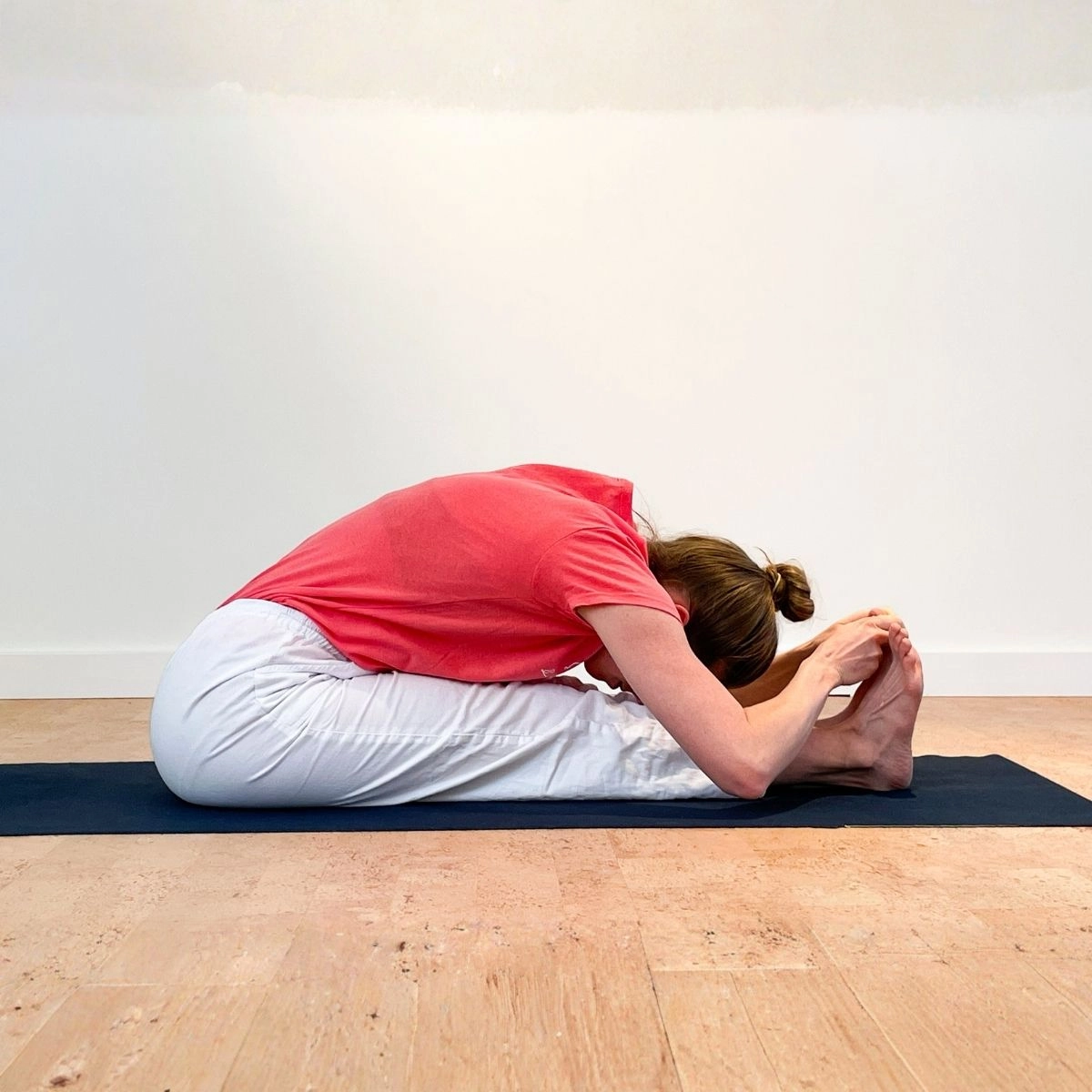
Sitting forward bend (Paschimothanasana), the fifth of the 12 basic asanas

Sitting Forward Bend
(Paschimothanasana)

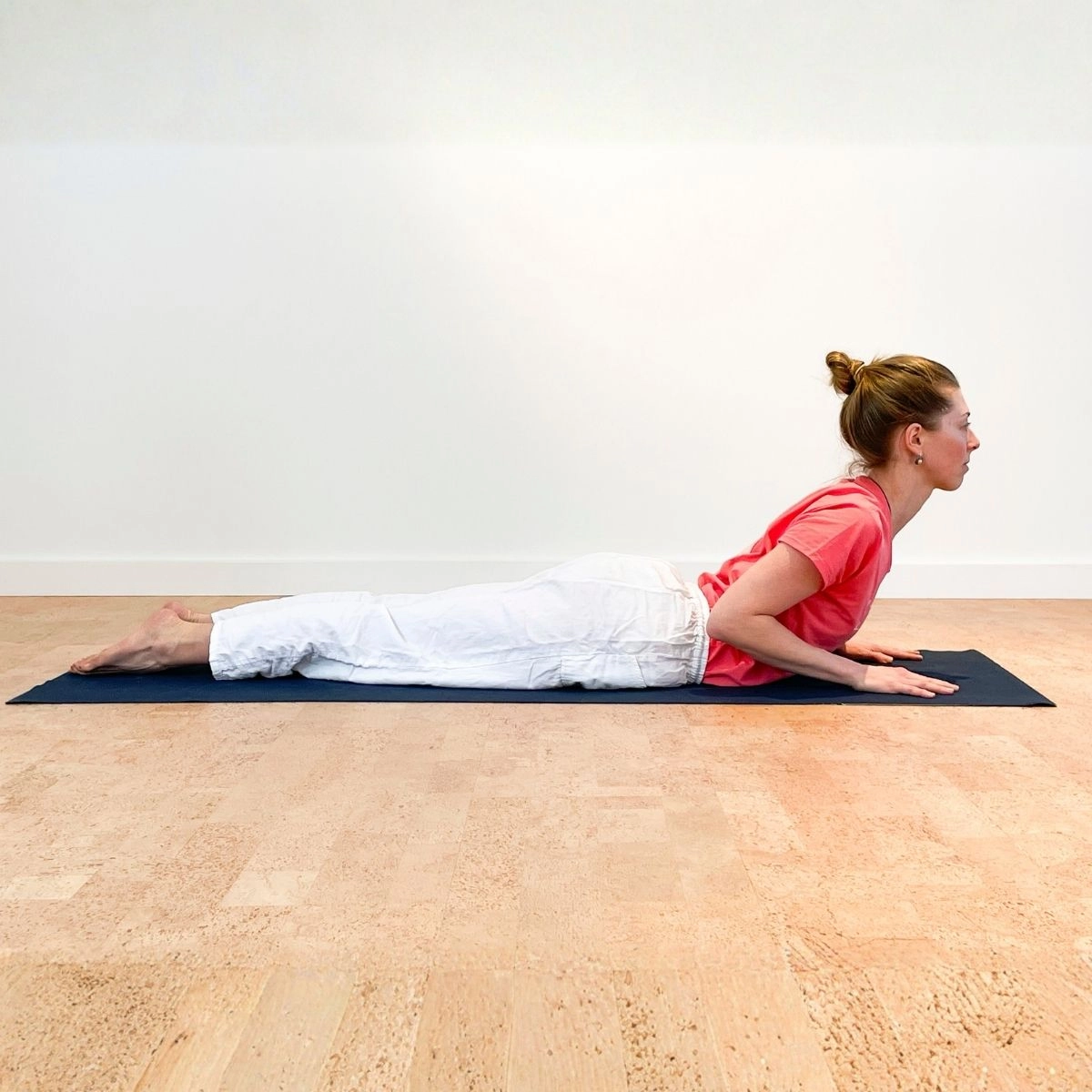
Cobra pose (Bhujangasana), the sixth of the 12 basic asanas

Cobra
(Bhujangasana)

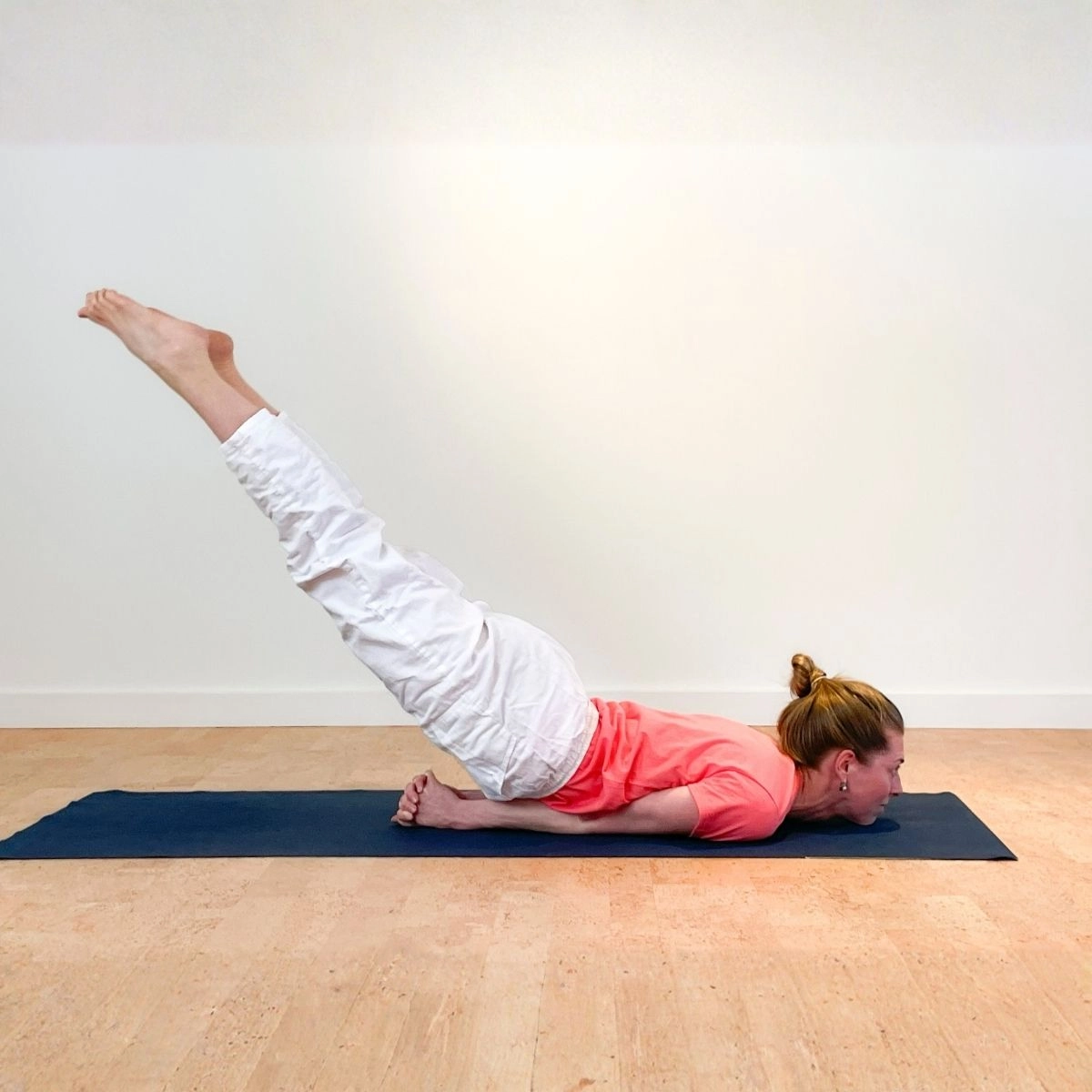
Locust pose (Shalabhasana), the seventh of the 12 basic asanas

Locust
(Shalabhasana)

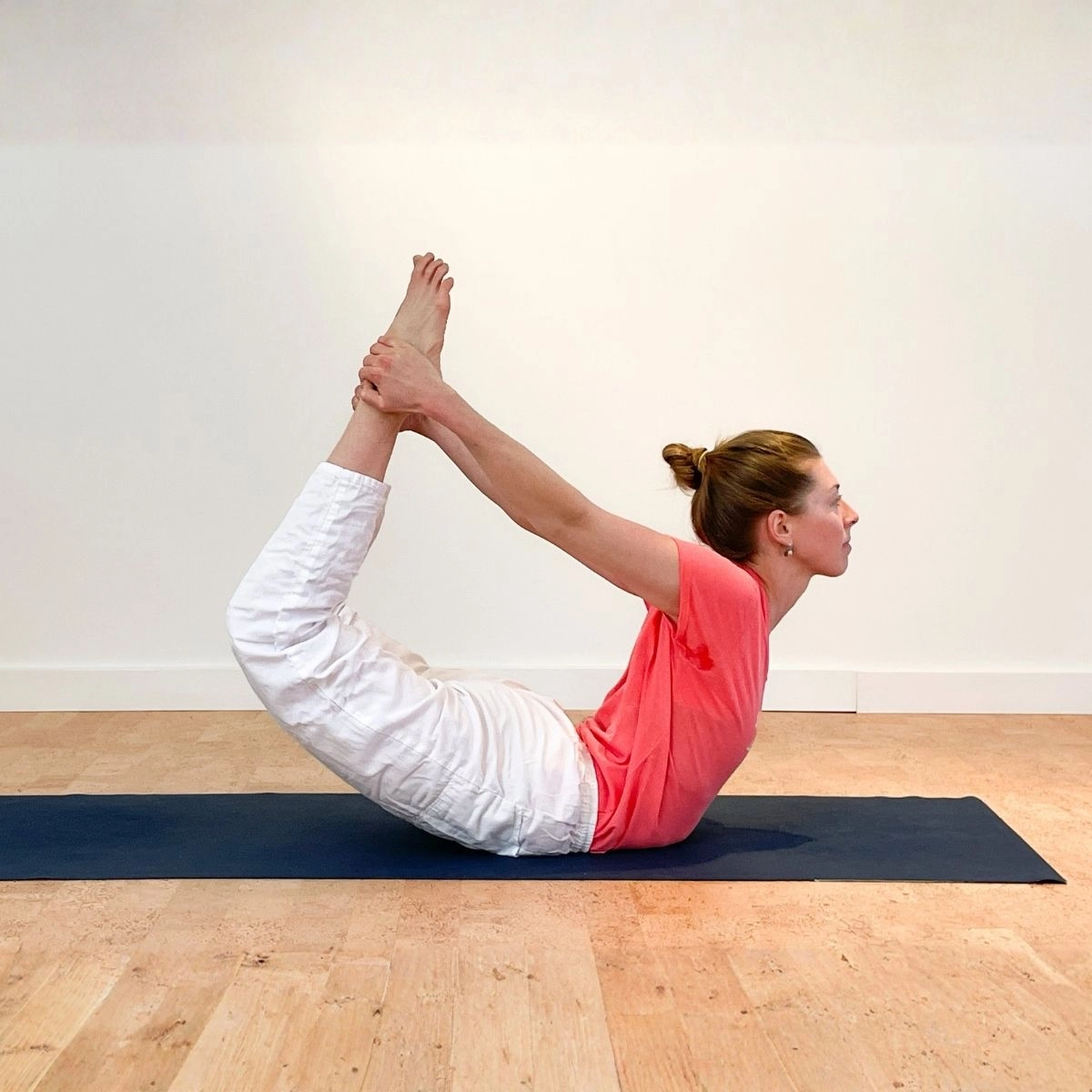
Bow pose (Dhanurasana), the eighth of the 12 basic asanas

Bow
(Dhanurasana)

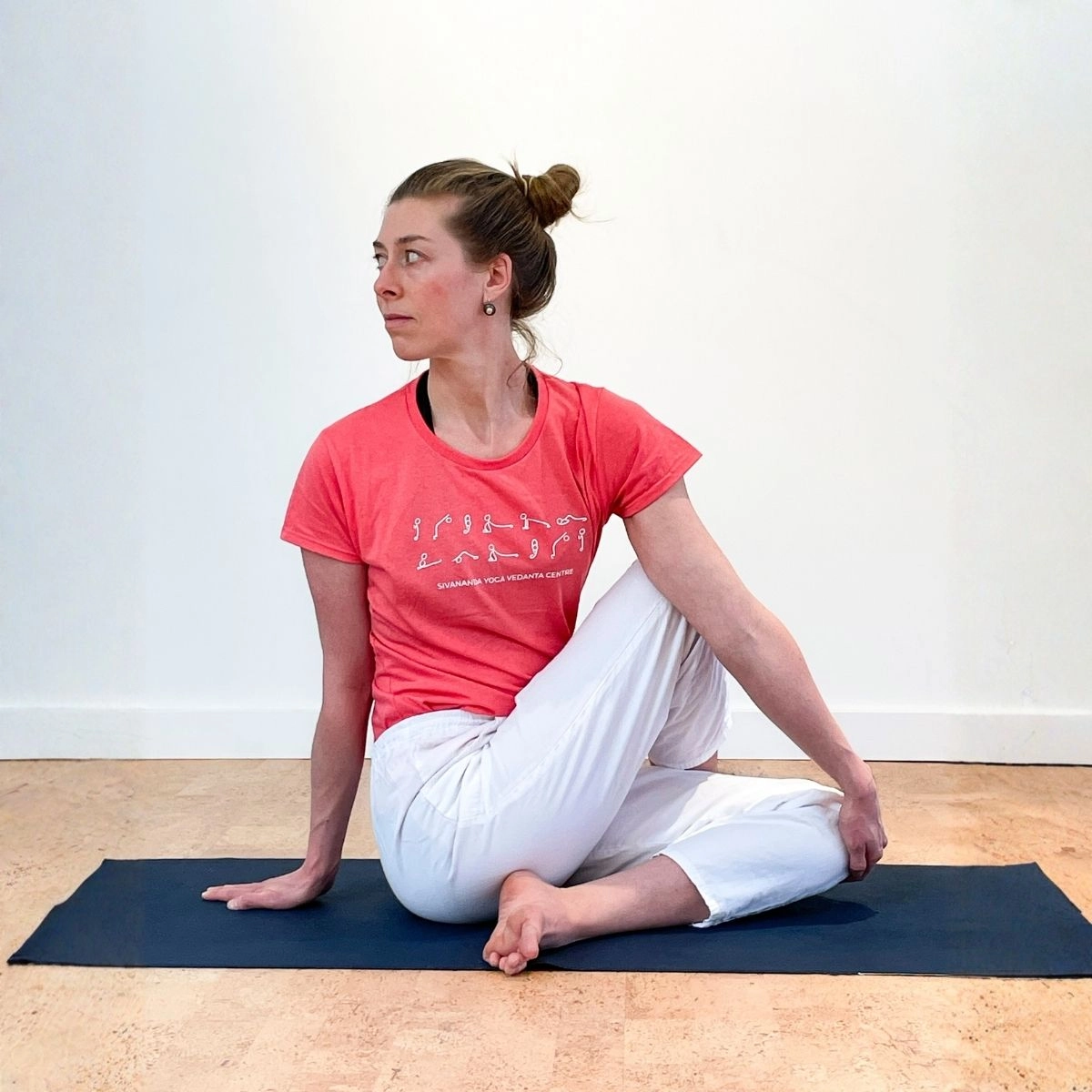
Spinal twist (Ardha Matsyendrasana), the ninth of the 12 basic asanas

Spinal Twist
(Ardha Matsyendrasana)

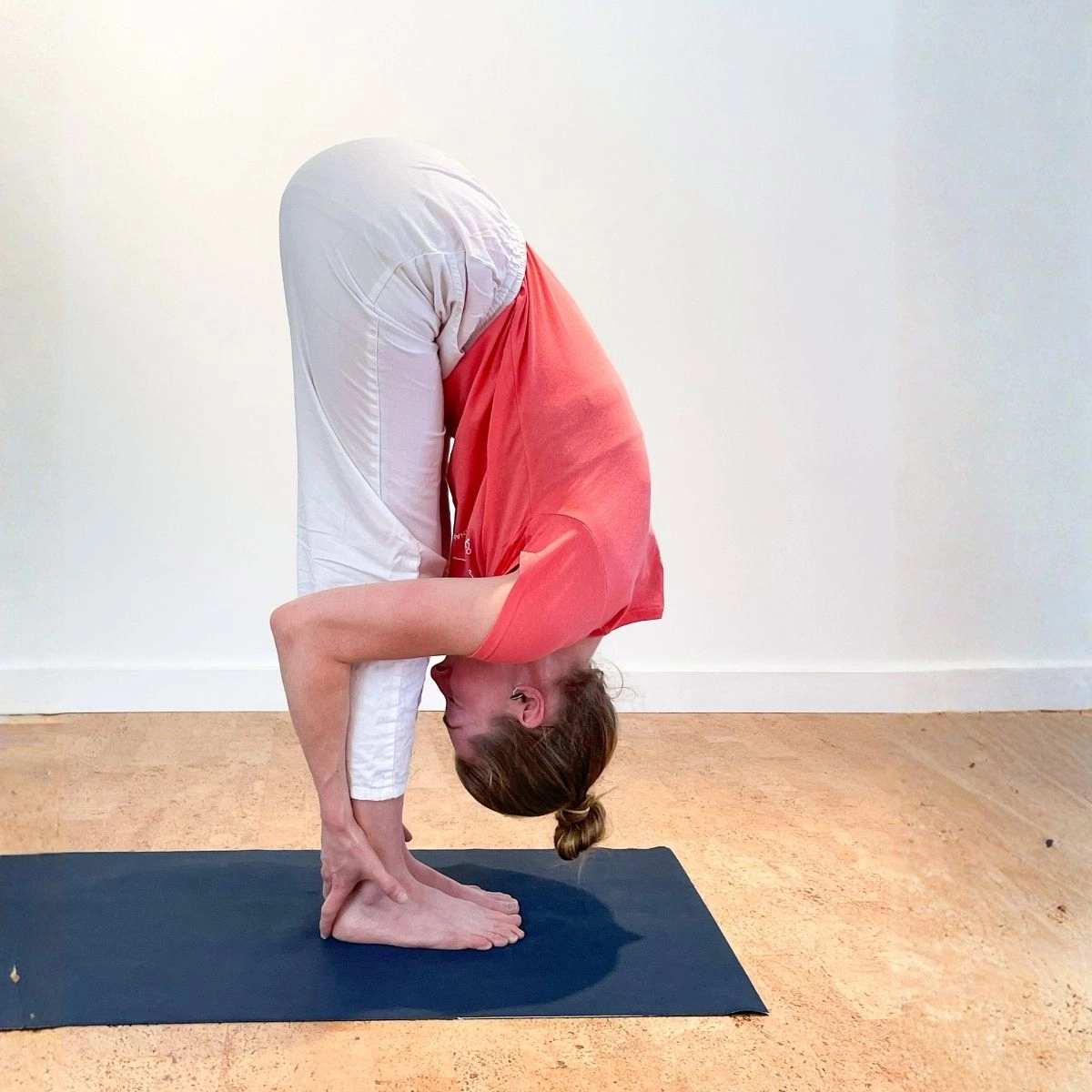
Standing forward bend (Pada Hasthasana), the tenth of the 12 basic asanas

Standing
Forward Bend
(Pada Hasthasana)

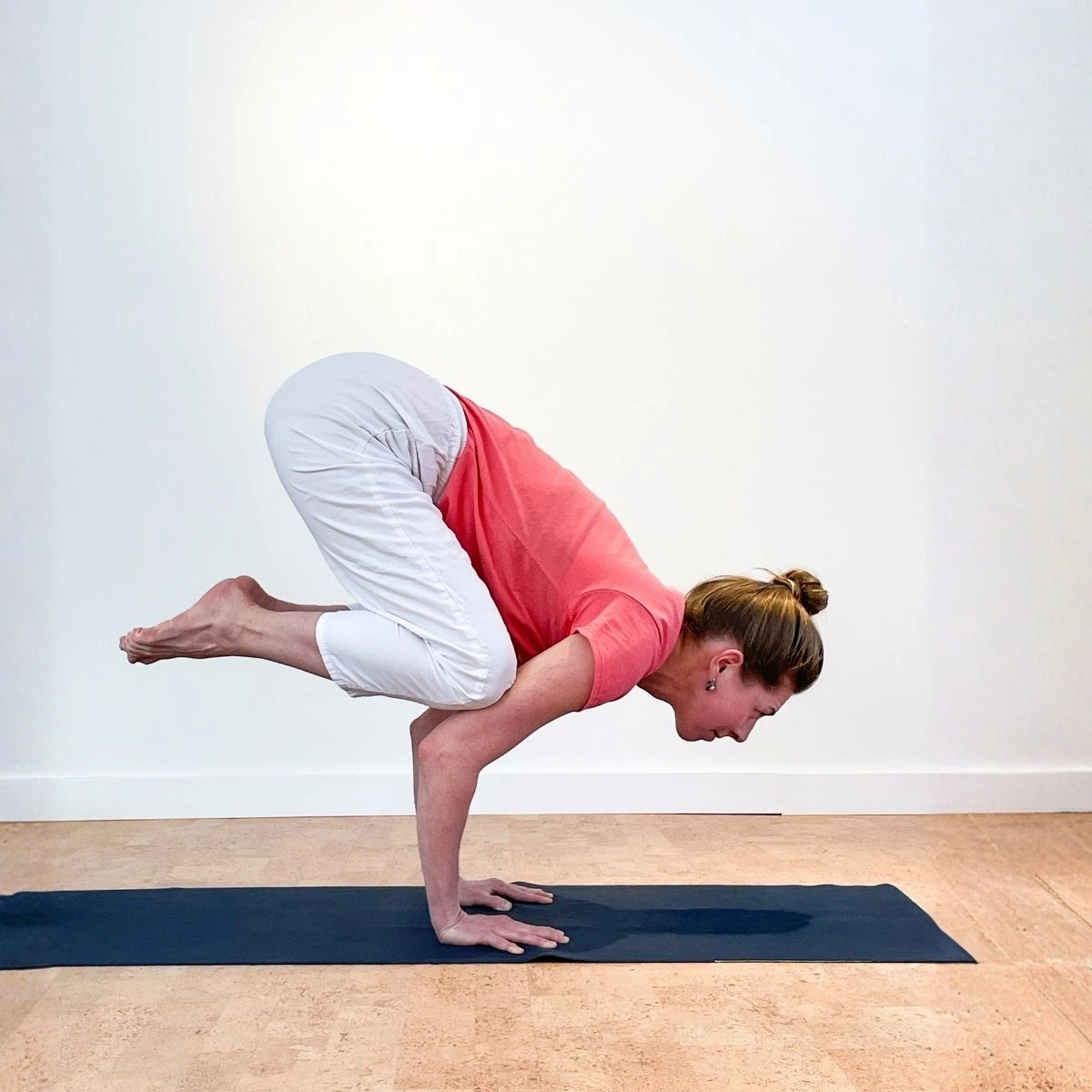
Crow pose (Kakasana), the eleventh of the 12 basic asanas

Crow
(kakasana)

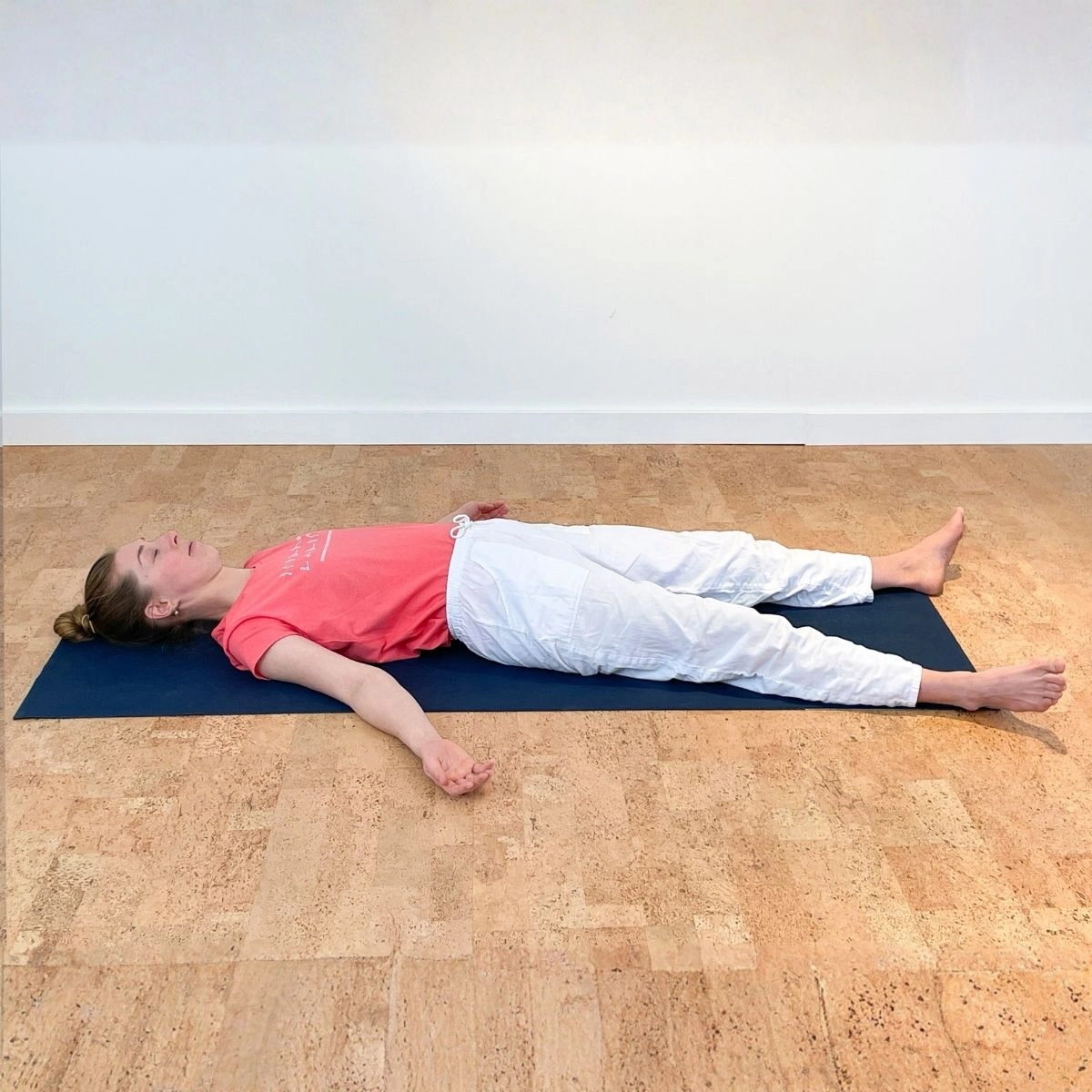
Corpse pose (Shavasana), the final relaxation of the Sivananda sequence

Corpse
(Shavasana)