· Est. 1993 · Val-Morin, Québec, Canada
A Temple Born of Faith & Forest
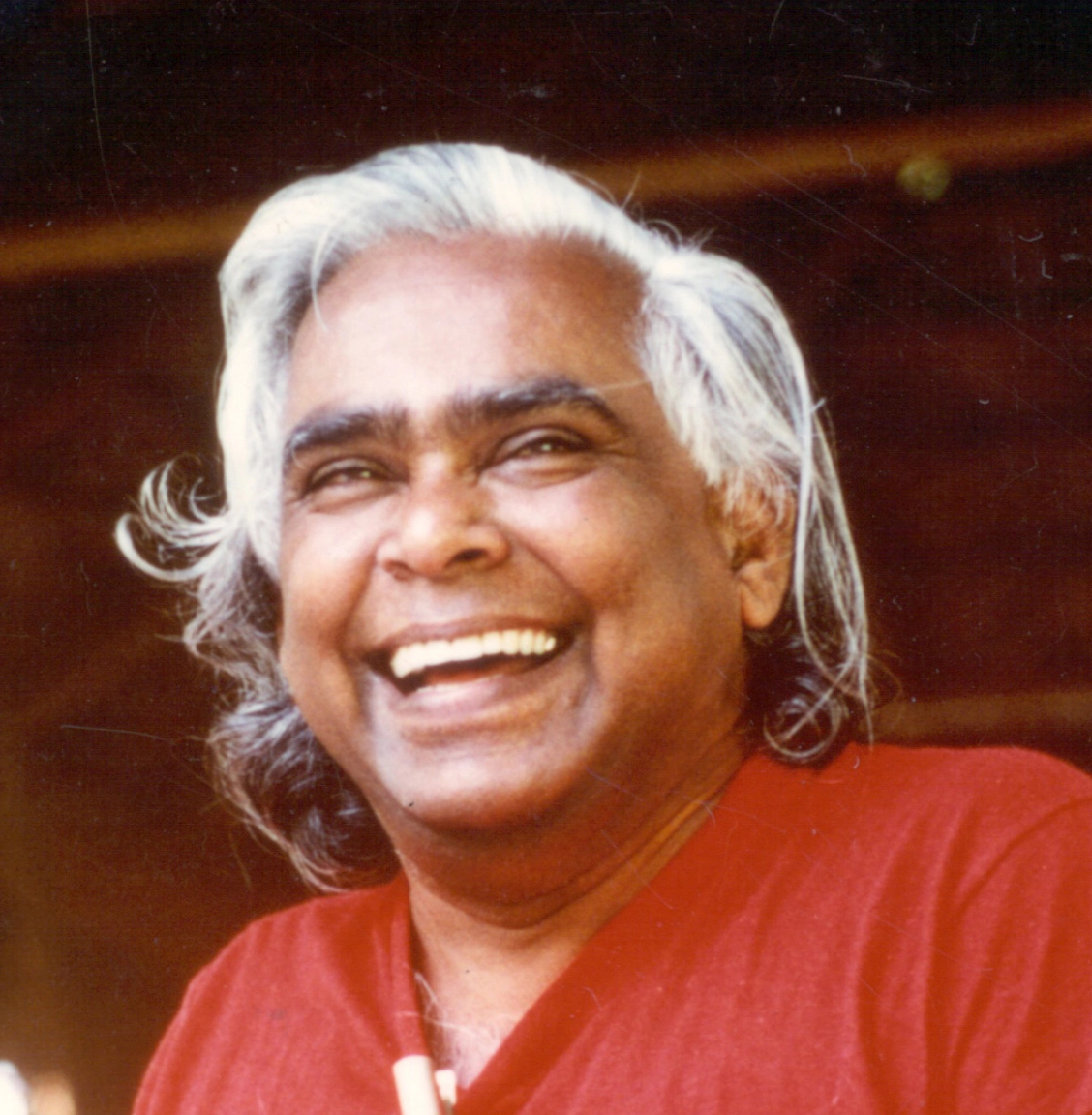
Founded by Swami Vishnudevananda and operating under the Sivananda Yoga Ashram, the Subramanya Ayyappa Mariamman Temple – Val-Morin has served the Sri Lankan and South Indian community of Québec for over three decades.
Who We Are
A Sanctuary of
Devotion & Community
Nestled in the serene forests of Québec, the Subramanya Ayyappa Mariamman Temple – Val-Morin stands as a beacon of Hindu spirituality for the Sri Lankan and South Indian community of Canada, and all seekers of divine grace.
Founded in 1993 by Swami Vishnudevananda, our temple was established to serve the community, promote unity and equality, and support social harmony. We follow Shaiva Agama, Shakta tradition, and mixed South Indian temple practices, and operate under the administration of the Sivananda Yoga Ashram.
Built in a mixed Dravidian and Kerala architectural style, the temple now serves more than 2,000 devotee families — welcoming worship in Tamil, English, and French — and continues to grow as a home for Sanatana Dharma in the Laurentians.
Our Purpose
Our Mission & Vision
Guided by devotion, service, and unity — the principles that have shaped
this temple since 1993.
Our Mission
To preserve Hindu traditions through poojas, festivals, and Annadhanam while serving devotees with devotion, compassion, and respect.
Our Vision
To be a peaceful spiritual temple in Val-Morin, preserving Sanatana Dharma and sharing divine blessings, knowledge, and unity.
Unity & Equality
We welcome all devotees with warmth and dignity, promoting equality, harmony, and mutual respect within the community.
Our Story
From a Founder’s Vision to a
Living Temple
In 1993, Swami Vishnudevananda founded the Subramanya Ayyappa Mariamman Temple – Val-Morin in Québec — establishing a sacred space to serve the community, promote unity and equality, and support social harmony among devotees.
The temple operates under the administration of the Sivananda Yoga Ashram, connecting it to the broader Sivananda Yoga Vedanta tradition. Built in a mixed Dravidian and Kerala architectural style, it follows Shaiva Agama, Shakta tradition, and mixed South Indian temple practices.
Over three decades, the temple has grown to serve more than 2,000 devotee families from the Sri Lankan and South Indian community — with worship offered in Tamil, English, and French, welcoming all who seek the Lord’s grace.
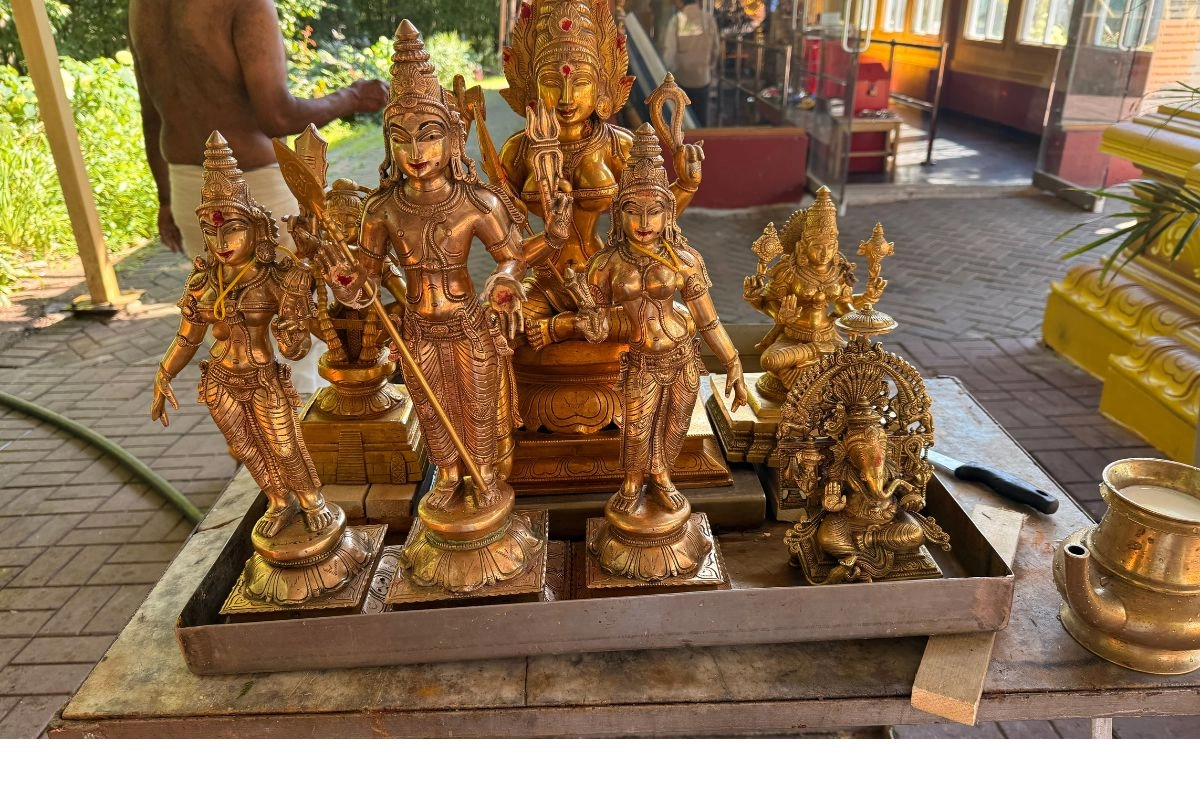
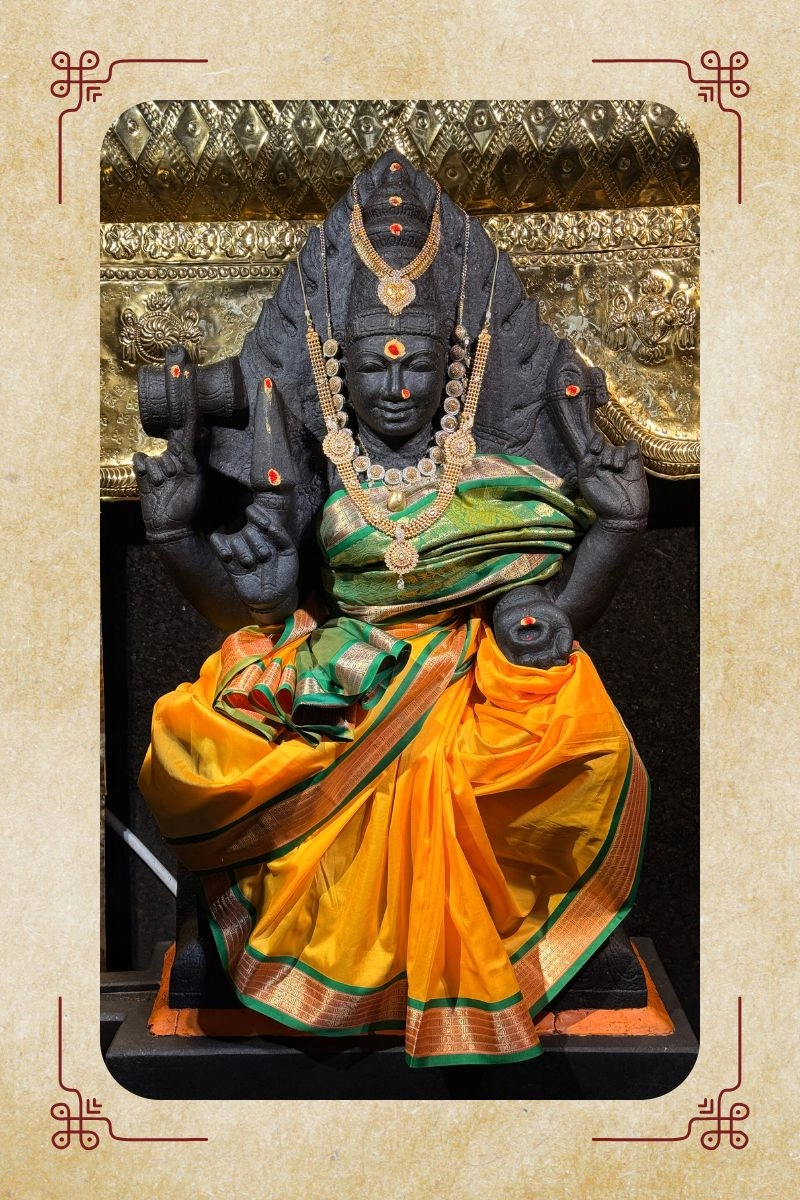
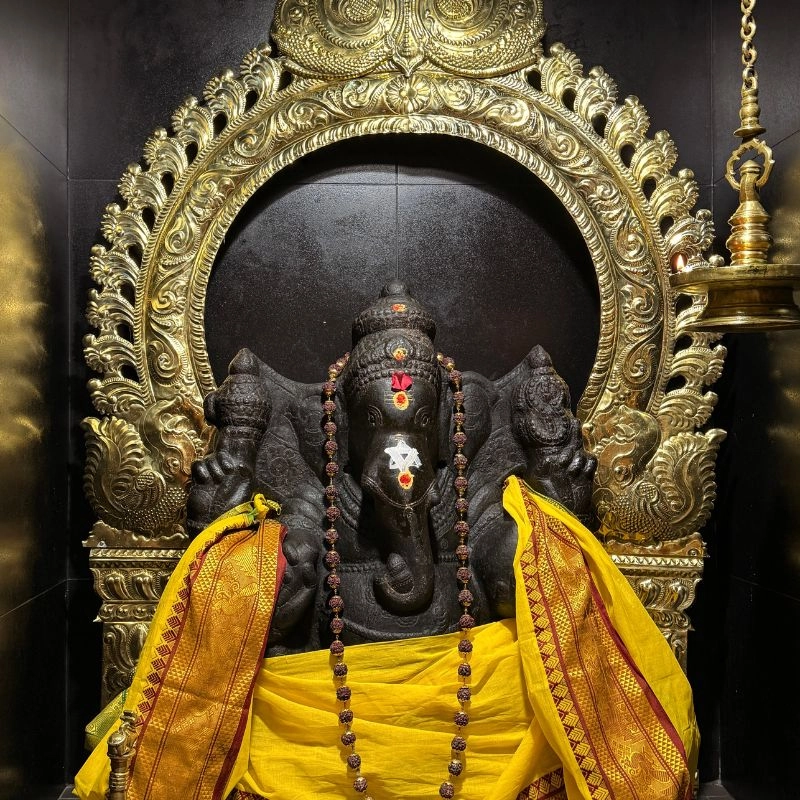
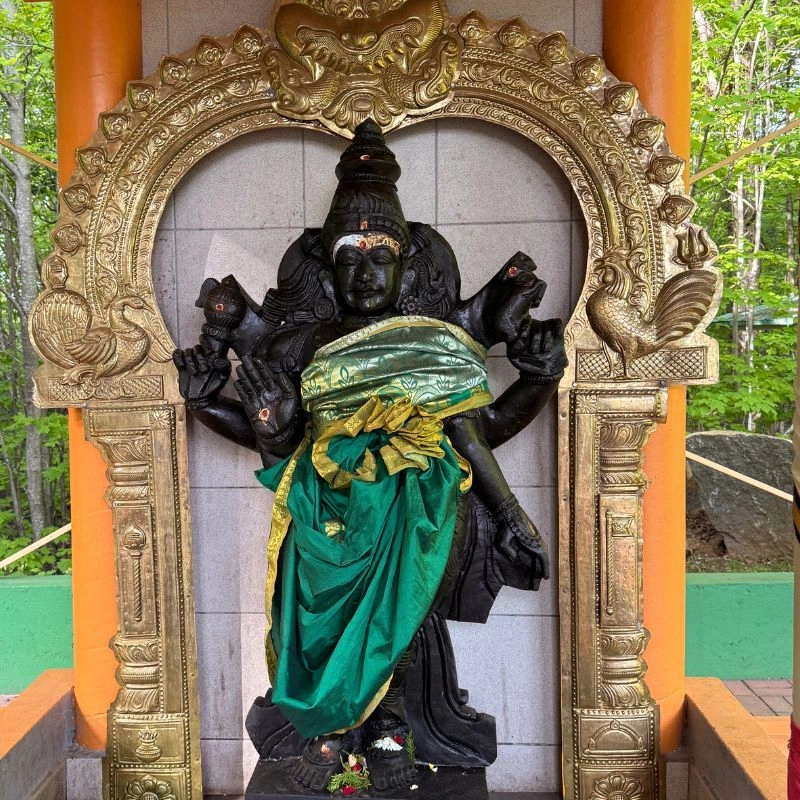
The temple now enshrines ten presiding deities, performs daily poojas, and prepares for a renewed opening on April 11, 2026 — continuing its mission of devotion and community service into a new chapter.
Why People Visit This Temple
A person comes to a temple not merely to ask God for something, but also to rediscover the peace, hope, love and gratitude that may have become hidden amid the pressures and distractions of everyday life.
Some people come to experience the Divine Love and Beauty of God. Others come to express gratitude for the grace, good health and blessings they have received. During difficult times, many seek God’s help through fasting, surrender, prayer and the fulfilment of sacred vows.
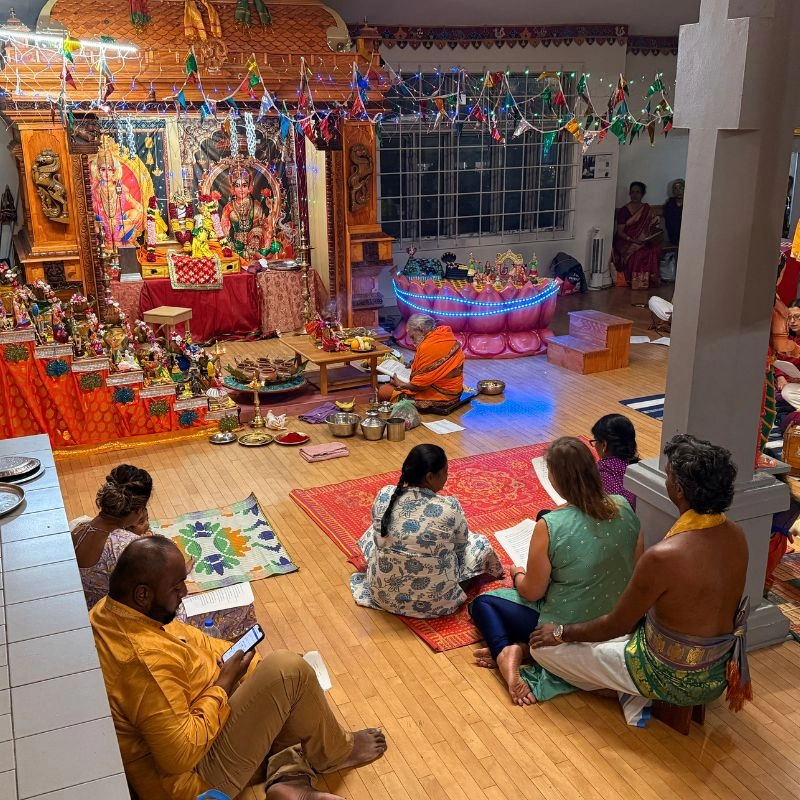
When their prayers are answered, devotees return to the temple with their families and friends to offer their gratitude to God. They may sponsor a pooja, prepare Pongal as an offering or participate in sacred services such as Annadhanam-the offering of food to others.
Their happiness and fulfilment increase when they offer Annadhanam to a greater number of people. By satisfying another person’s hunger, gratitude becomes service, devotion becomes compassion and Divine Grace becomes a joy shared with everyone.
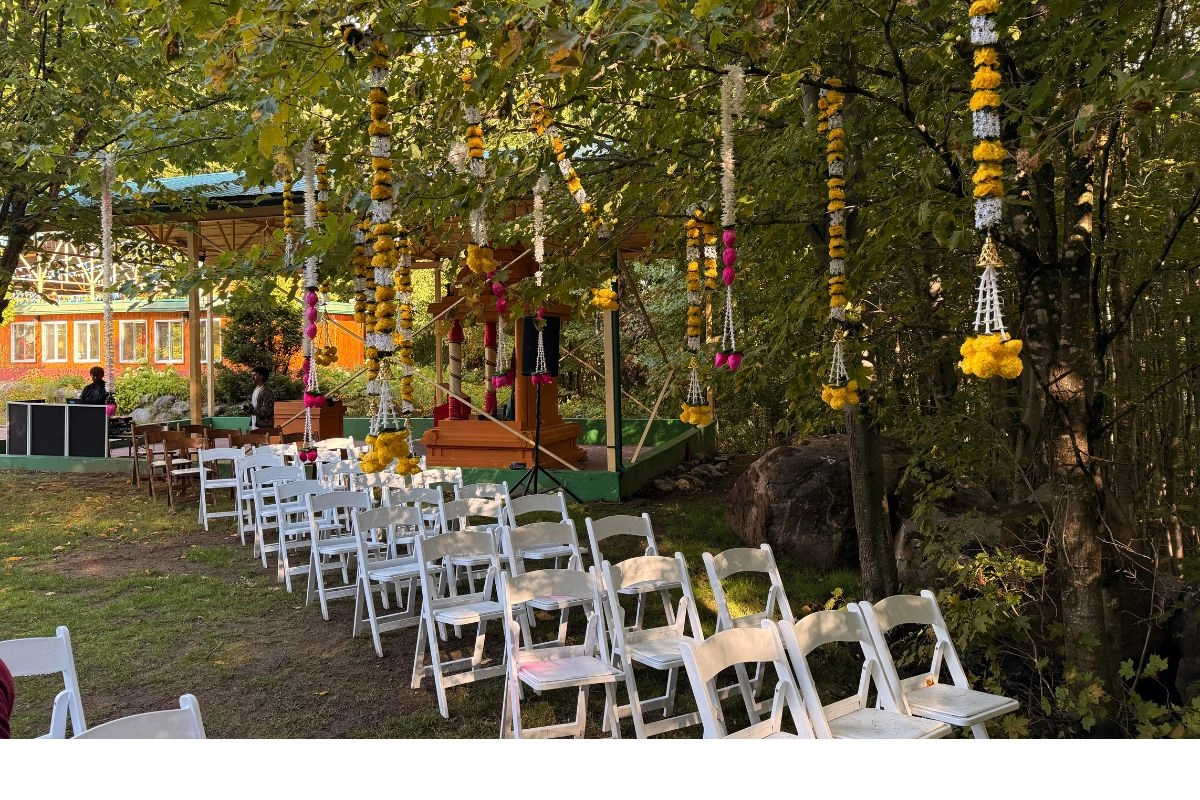
Situated amid the natural beauty of the Val-Morin mountains, this temple offers pure air, peaceful surroundings, the gentle songs of birds, the sacred resonance of Vedic mantras, the sound of temple bells, traditional poojas and the united prayers of devotees. Together, these elements naturally bring calmness to the mind.
Beneath the sanctum where Lord Murugan is enshrined, there is a natural underground spring. Devotees believe that this spring further strengthens the spiritual energy of the temple. This unique union of nature and Divine Presence is regarded as one of the temple’s distinctive features.
From a scientific perspective, there is no direct evidence that an underground spring generates spiritual energy. Nevertheless, spending time in nature, breathing fresh air, listening to birdsong, practising steady breathing, chanting mantras rhythmically and engaging in focused prayer may help reduce stress while promoting mental clarity, hope and positive emotions.
However, the experience offered by this temple is not limited to natural and psychological influences. From a spiritual perspective, the boundless power of Lord Murugan, who is enshrined here, is revealed as Divine Grace through the sincere faith, devotion and surrender of devotees.
Although this grace cannot be measured with scientific instruments, devotees experience it as peace of mind, inner guidance, courage to face suffering and renewed hope to continue their journey through life.
Every mantra recited with sincere devotion, every lamp that is lit and every pooja that is performed prepares the human heart to receive Divine Energy. When the sacred resonance of mantras, the tranquillity of nature, the worship conducted by Vedic priests and the collective prayers of devotees come together, the immense power of Lord Murugan becomes deeply rooted in the hearts of devotees as grace.
This grace does not manifest in the same way for everyone. One person may experience it as peace of mind, while another may receive the clarity needed to make the right decision. For someone else, it may become the inner strength required to endure illness and sorrow. For others, it may appear as a forgiving heart, family unity, a desire to serve or the inspiration to begin life anew with hope.
Life’s problems may not disappear immediately upon entering the temple. However, the state of mind with which we face them can change. Fear may become hope, confusion may become clarity, sorrow may become prayer and gratitude may become service. This inner transformation is the deepest sign that Lord Murugan’s grace has begun to work within us.
This temple is not merely a place where people come in search of God. It is a sacred place where they experience the boundless power of Lord Murugan as Divine Grace and return as better human beings-with peace in their hearts, hope in their lives and love for others.
Milestones
Our Journey Through the Years
From a founding vision to a thriving temple community.
Sacred Symbolism
The Spirit Behind Every Stone
Every element of the temple — from its crowning dome to the waters at its
entrance — carries deep spiritual meaning.
The Kumbham
Crown of the Temple
The dome and sceptre at the very top of the temple are known as the Kumbham. They transmit all the energy that is created within the temple out to the universe, while simultaneously attracting cosmic energy which is balanced, transmuted, and grounded — filling the entire temple with pure, sacred vibrations.
“The Kumbham is the meeting point of heaven and earth.”
The Sacred Pond
Waters of Purity & Serenity
The pond in front of the temple is symbolic of the great temple tanks of India. Traditionally, devotees who had travelled from great distances would wash themselves in the temple pool before entering the house of the Lord. During festival times, the deities were given ceremonial baths, and the water served the community through periods of drought.
Water is symbolic of purity and serenity — a washing clean of all things. The temple pond was a place where birds, animals, and people lived together in harmony.
Why People Visit
A Reason for Every Heart
There are many reasons why people visit the temple. Some come to feel and remember God’s Divine Love and Beauty. Others come to give thanks for grace received. Traditionally, when people face difficulties, they pray for help and make a vow — to offer their hair, to fast, or to sponsor a pooja.
When the vow is fulfilled, family and friends gather, and the more people fed, the greater the joy.
“Let God’s home be your own inner sanctuary.”
The Deities
Divine Presences We Worship
Our Priests
The Guardians of Sacred Tradition
Our priests carry the unbroken lineage of Vedic knowledge,
performing rituals with precision, devotion, and deep spiritual
understanding.